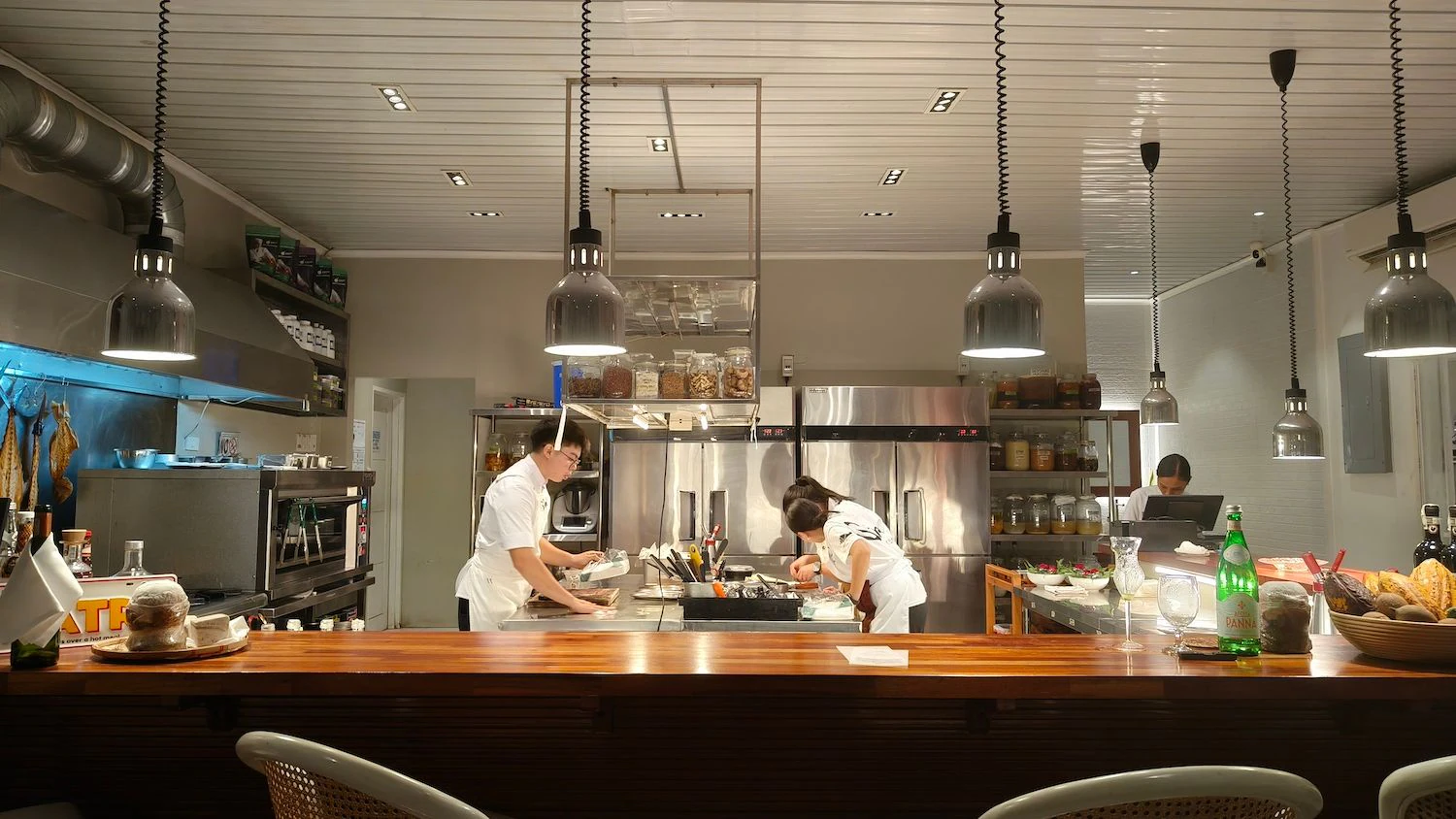
CEBU CITY — Even before its inclusion in the inaugural Michelin Guide Philippines, Sialo was already a compelling culinary enigma.
My visit, which preceded its official announcement as a Michelin-selected establishment, was admittedly driven by hushed speculation. What I discovered was not just another tasting menu, but an experience that reinterprets Cebuano culinary tradition through imagination and technical mastery.
The journey to Sialo, located quietly within a residential neighborhood in Cebu, begins with a delightful contrast. Finding the restaurant off the main roads, past what the Michelin Guide described as “crumbling façades and corrugated iron roofs,” heightens the sense of discovery. On a rainy night, the simple hospitality of a staff member waiting with an umbrella at the gate immediately shifts the vibe from urban grit to gourmet sanctuary.
The space itself is striking: an immaculate, greenhouse-like structure set in a backyard and centered on a fully open kitchen. Being seated at the chef’s counter — the restaurant equivalent of a front-row seat — offered a privileged view into the precision and artistry of the operation.
The dishes are introduced either by Chef Ron Villavelez himself or a well-trained staff member. The explanations are concise and enlightening — essential, given that the entire menu is printed in Bisaya — and the pacing remains relaxed throughout the two-hour-plus experience.
The restaurant offers three tasting menus; I picked the shorter 13-course Handurawan menu for P4,300 that provides a more-than-adequate overview of the restaurant’s philosophy without taxing the diner (in contrast to the epic 29-course, 3.5- to 4-hour odyssey).
Villavelez, a self-taught cook and fashion designer by training, approaches Cebuano cuisine through a combination of traditional references, modern technique, and strict reliance on local ingredients. His dishes unfold across five “acts,” each one a chapter that moves from playful beginnings to deeper reflections on heritage — with the occasional note of pointed political wit.
And while the structure borders on thematic, the dishes themselves remain grounded, with clear flavor lines and controlled presentation.
Old tongue, new taste

The opening act sets the tone for the dinner, which begins with a statement piece: Rosas Pandan, a cocktail presented as a floral arrangement.
The drink of rum mixed with rose and pandan syrups is encased in a delicate gel atop a red rose, and meant to be consumed in one bite — a sweet, aromatic explosion that bypasses the glass and engages the senses directly.
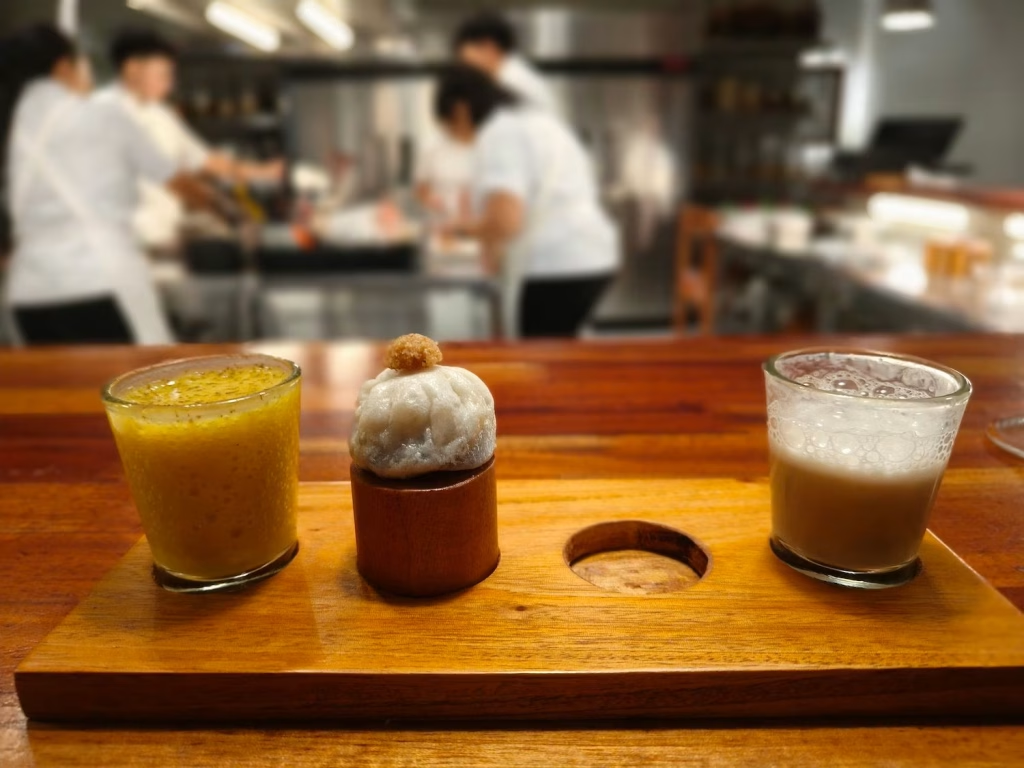
After a serving of crackers made from heritage grains and paired with three types of compound butter came a trio of soups — its first real showcase of conceptual ingenuity. A papaya soup infused with whiskey, Moscato, and coconut cream surprises with its layered sweetness. Dinuldog, which is similar to ginataang kalabasa, appears as a light, curried squash foam.
The most audacious, however, is the deconstruction of dinuguan at puto into a savory xiao long bao-style soup dumpling — a daring reframing of a classic that feels both familiar and global.

This vegetable-focused second act underscores Villavelez’s commitment to minimizing waste. The reinterpretation of rellenong talong is sophisticated: roasted eggplant glazed with its own skin, topped with Parmesan. A savory hopia filled with alugbati and goat’s cheese in puff pastry delivers an unexpected twist on nostalgia.
The humba course is a revelation in plant-based technique. Unripe jackfruit is cooked in the style of braised pork, served inside a taco shell pressed from its crushed seeds, showing a profound respect for the ingredient.
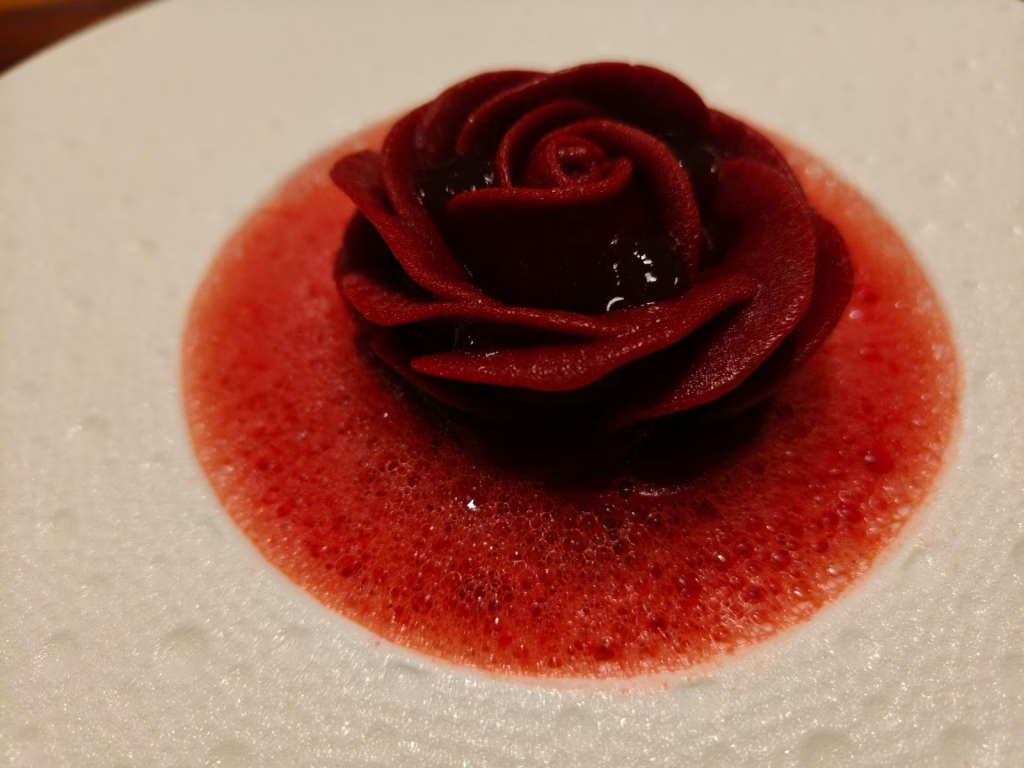
The visual centerpiece, Mga Gihay sa Rosas, is a testament to the chef’s fashion background: a delicate rose created from fermented seryales or native cherry, paired with homemade cheese cream, gazpacho sauce, and red wine gel. It is as gorgeous as it is technically sound — a dish that could grace the cover of an art magazine.
Surf and turf
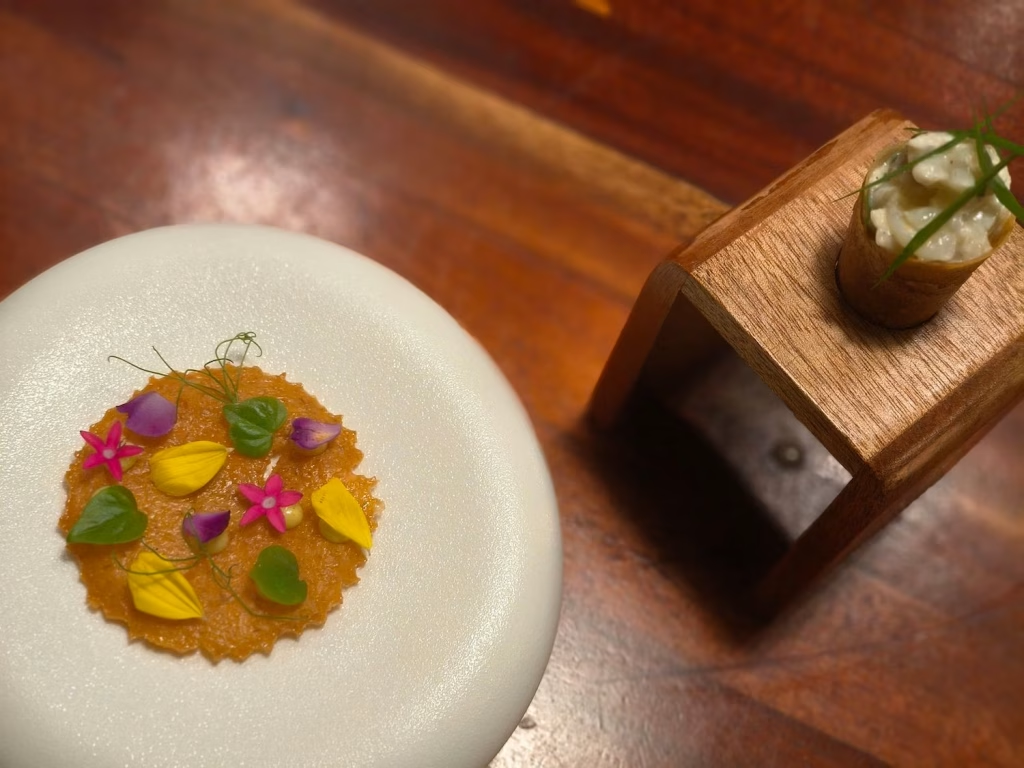
This seafood third act draws inspiration from mountain folk visiting the coast, delivering on the promise of fresh, expertly handled local catch. Ukoy becomes a crispy shrimp cracker, and paired with shrimp tartare marinated in dayap and calamansi and presented in a cone for a crisp, vibrant bite that sings of Cebu’s tropical allure.

Pansat sa Dagat features wild prawn, perfectly coated and fried, served with a bright sauce of passion fruit and mango, finished with coconut foam.
But the centerpiece is SuTuKil, the legendary Cebuano preparation of sugba (grilled), tuwa (stewed), and kilaw (raw) — all featuring tanigue (Pacific mackerel). The kinilaw is freshened with coconut milk and jicama; the tinola becomes a delicate foam topped with a fishbone tuille; the sinugba is marinated in dalandan and calamansi. A granita duo made from vegetable salad juice and tuba vinegar provides an icy, acidic counterpoint — a masterstroke of balance.
If the seafood was brilliant, the meat courses feel like Sialo’s core statement of technical mastery and mission.
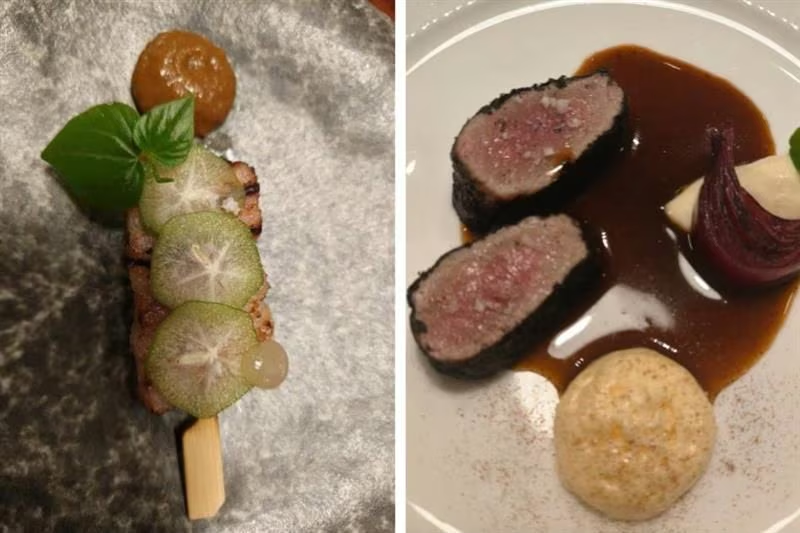
Sinugbaboy utilizes koji spores — the same mold used for miso and sake — to age and tenderize the pork for three days before slow-cooking sous vide and grilling. Presented like a Japanese yakiniku skewer, it is paired with homemade banana ketchup and ginger gel — a playful nod to Filipino comfort flavors.
But the most important dish may be the Ma’os na Bistek. Tackling the traditional toughness of local beef, Villavelez employs fermentation and koji aging to create a cut that achieves perfect medium-rare — a feat for local Cebuano cattle. Glazed with miso and beer, dusted with nori powder, and paired with three sauces (konbu emulsion, hay-infused Hollandaise, and wine-reduced beef jus), this dish is a monumental achievement in championing local ingredients.
Meditation on P20 rice
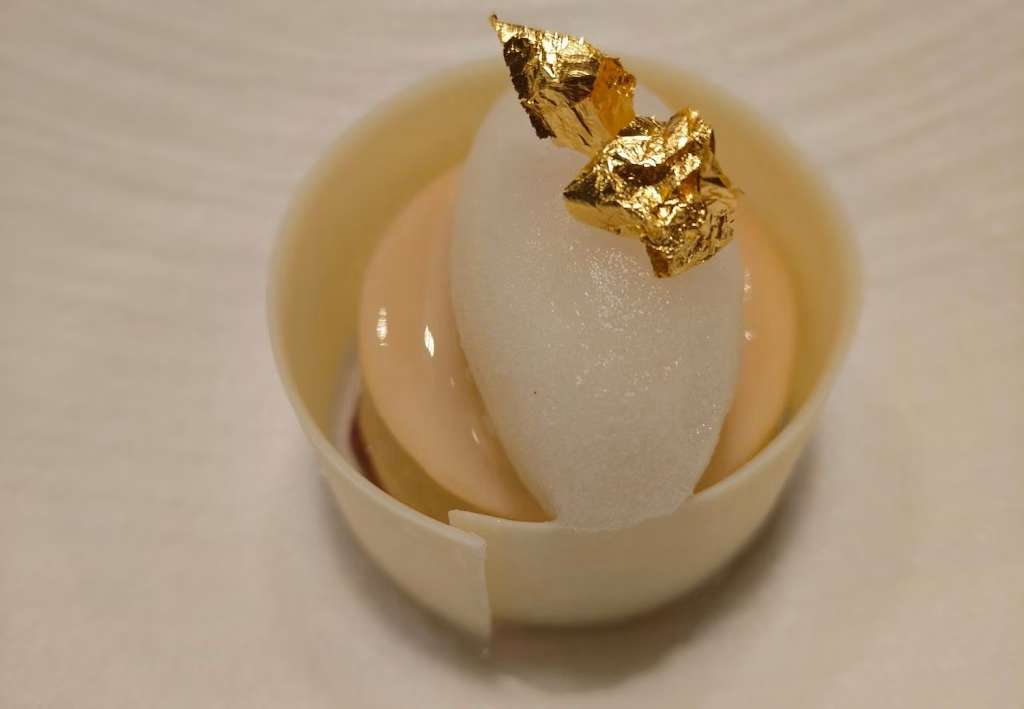
The final act transforms humble rice into an elegant social commentary. The outstanding Biko Lunok appears as a magnificent entremet: a layered dessert of peanut croustillant, praline, and biko-lunok base, encased in white chocolate and glazed with coconut and white chocolate. Topped with ginger sorbet and edible gold leaf, it is a sophisticated homage to the homey rice cake.
The conceptual climax is Nagpalandong Samtang Namalandong sa Lugaw (roughly translated as ‘taking shade while meditating on rice porridge’) — a sculptural diorama on a plate. Lugaw becomes a tartlet cooked with coconut milk and white chocolate, served with coconut chantilly, compressed watermelon, and calamansi gel. A green cotton-candy canopy and chocolate trunk frame the scene, creating an ingenious, disarming bit of edible art — the kind you may forget to photograph in the moment. I did.
Petit fours continue the theme: chocolate rice pudding, a rice ice cream sandwich, and a macaroon with kalamay and rice crispies — a gentle epilogue to a grand narrative.

More than just luxury
In Sialo, dining is truly more than just a meal but an experience. This is Cebuano cuisine presented as haute couture — tastefully gorgeous, impeccably crafted, and entirely unique. Its execution is cutting-edge, borrowing techniques from molecular gastronomy, yet it never feels gratuitously gimmicky.
The price point reflects the amount of research and labor underpinning the menu rather than luxury for its own sake.
With its recent recognition from the Michelin Guide, the restaurant is positioned to attract a wider audience. But more importantly, it adds a crucial new dimension to Cebu’s already rich culinary landscape, moving the conversation beyond lechon and barbecue and into contemporary fine dining.
Sialo is located at 7A Pres. Laurel St., Villa Aurora, Cebu City.
This article was originally published on ABS-CBN.com.




Leave a Reply